Living Gluten-Free
Here you will find answers to some basic questions about gluten. We hope it will make your shopping experience easy and enjoyable. We offer hundreds of products for those who live gluten-free, from pastas, breads and beverages to sauces, snacks and kid-friendly favorites. While our Bakeries and Kitchens are not dedicated gluten-free facilities, we do create a variety of scratch-made, gluten-free-friendly and wheat-free items made by our Market Chefs and Bakers. You’ll also discover a variety of delicious baked goods that come from certified gluten-free bakeries.
What is gluten?
Gluten is a protein found in wheat, rye and barley. Most types of cereals and many types of pastas, breads and other baked goods contain gluten. It can also be found in many less-obvious foods and beverages, such as soups, cheese, processed meats and beer. Gluten is also used as a stabilizing agent, thickener, filler or breading in products like condiments, ice cream and breaded foods. Those who avoid gluten due to celiac disease or as a personal preference should take special care when checking product ingredient lists, because gluten comes in many forms. In addition to foods and beverages, it can be found in over-the-counter medications, vitamins, and skin and hair care products. A product may not include gluten as an ingredient, but it’s possible that the product could have come in contact with gluten during processing. Certified gluten-free products will indicate so on the packaging.
Who should avoid gluten?
An estimated 3 million people in the United States have celiac disease. Those who have been diagnosed with Gluten-Sensitive Enteropathy (GSE) should avoid gluten in all forms. GSE, commonly called celiac disease, affects the bowel and related tissues. GSE can also include dermatitis herpetiformis, an autoimmune skin disorder. In people with celiac disease, foods that contain gluten trigger production of antibodies that attack and damage the lining of the small intestine. Such damage limits the ability of people with celiac disease to absorb nutrients and puts them at risk of other serious health problems.
What should be avoided?
Wheat, rye, barely, malt, triticale, oats and products made from these grains. Oats should generally be avoided, due to possible cross-contamination.; however, oats labeled “gluten-free” have been tested and have been found to have less than 20 ppm of gluten (see detailed list, below).
Do other foods contain gluten?
Yes. Many less-obvious products contain gluten (see detailed list, below.) Beer, for example, often contains barley and brewer’s yeast. Some craft brewers, however, are now producing gluten-free beers. Wine and distilled spirits are typically gluten-free. Be sure to do your research.
What about other starches and grains?
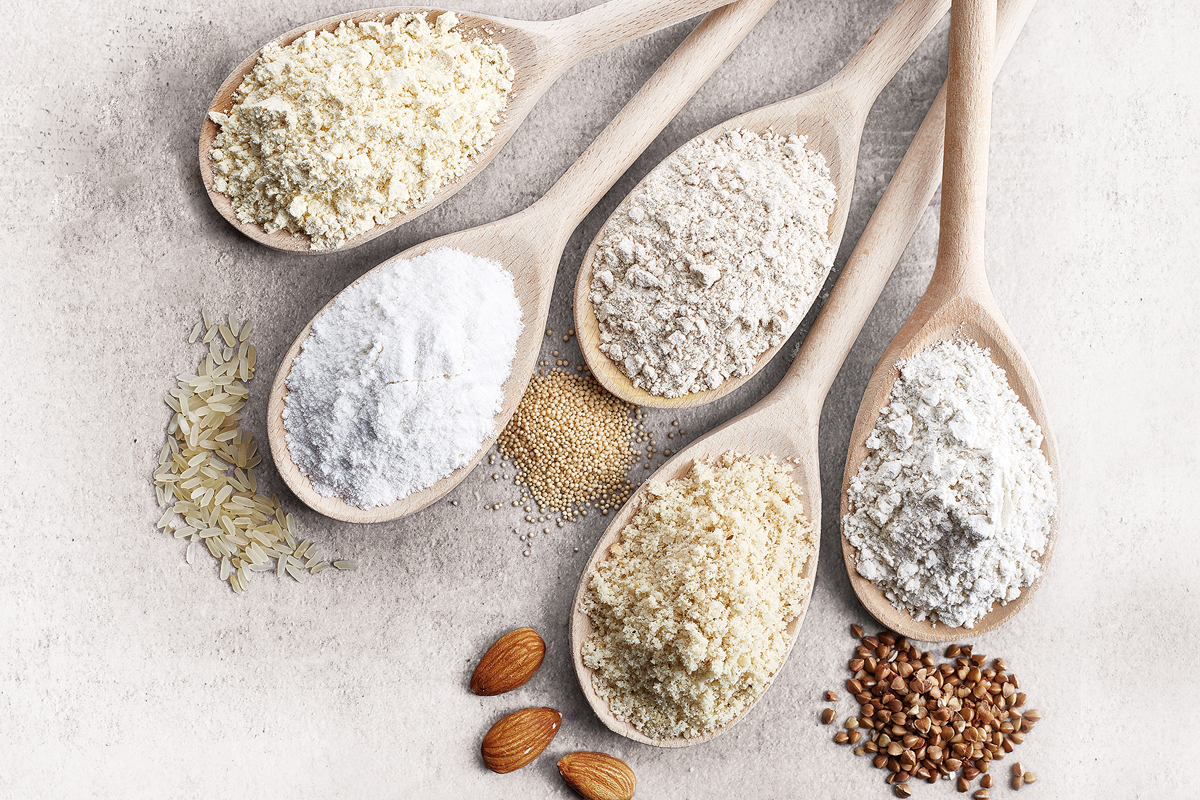
Not all foods from the grain family contain gluten. Gluten-free grains, starches and proteins include: corn, rice, potatoes, starch, tapioca, arrowroot, buckwheat, quinoa, garfava, sorghum, amaranth, teff, nut flours, beans and products made from these (see detailed list, below).
What is “hidden” gluten?
Some products may contain “hidden” gluten, meaning the ingredients contained in the product don’t specifically list gluten, but may include ingredients derived from gluten (see detailed list, below). It’s also important to note that some products may not include gluten as an ingredient, but it’s possible that the product may have come in contact with gluten in processing. Some examples include:
- Brown Rice Syrup: Frequently made from barley caramel color, brown rice syrup can be made from corn (dextrose), lactose, molasses or sugar, which are all gluten-free. Imported products containing caramel color may be made from malt syrup or starch, which could contain gluten.
- Dextrin: Usually made with corn, but may be derived from wheat. (Malto-dextrin is made from corn.)
- HVP/ HPP /TVP: Found in sausage and many canned foods, such as soups, and can be derived from soy, corn and rice (all are gluten-free), but it can also be made from wheat.
Are there other products to consider?
Yes, Playdough, makeup, lotions, vitamins, medications and toothpastes may contain gluten.
Are gluten-free products labeled?
In 2013, the FDA issued a final rule defining “gluten-free” for food labeling, which is helping consumers, especially those living with celiac disease, be confident that items labeled “gluten-free” meet a defined standard for gluten content. “Gluten-free” is a voluntary claim that can be used by food manufacturers on food labels if they meet all the requirements of the regulations.
In 2020, the FDA issued a final rule on the gluten-free labeling of fermented or hydrolyzed foods. It covers foods such as yogurt, sauerkraut, pickles, cheese, green olives, FDA-regulated beers and wines (e.g., generally those with less than 7 percent alcohol), and hydrolyzed plant proteins used to improve flavor or texture in processed foods, such as soups, sauces,and seasonings. The rule does not change the definition of “gluten-free” but establishes compliance requirements for these hydrolyzed and fermented foods. It also includes a discussion of how FDA will verify compliance for distilled foods, such as vinegar. Learn more on the FDA’s website.
AVOID
B
Barley
Beer (barley, brewer’s yeast)
Bran (wheat)
Brewer’s yeast
Brown rice syrup (barley)
Bulgur (wheat)
C
Club (wheat)
Couscous (wheat)
D
Durum (wheat)
E
Einkorn (wheat)
K
Kamut (wheat)
M
Malt
Malted milk
Malt extract
Malt flavoring
Malt flour
Malt syrup
Malt vinegar
Modified Food Starch (U.S. only)
O
Orzo (wheat)
T
Tabbouleh (wheat)
Triticale
R
Rice malt
Rye
S
Semolina (wheat)
Spelt (wheat)
W
Wheat
Wheat germ
Wheat nuts
Wheat starch
USE CAUTION
B
Baking mixes (cornbread, biscuits, waffles, pie filling)
Baking soda
Blue cheese with veins
Bouillon
Breaded vegetables/fish
Breading
Brines
Broth
C
Candy
Carmel color
Catsup
Cereals
Communion wafers
Creamed vegetables
D
Dextrin
Dressings
Dusting powder
F
Flavorings (flavored meats)
G
Gravies
Ground spices
H
HVP/ TVP
I
Ice cream
Imitation foods
M
Marinades
Modified food starch/food starch (U.S. only)
P
Pre-grated cheese
Processed meats/lunch meats
R
Rice mixes
S
Salad dressing
Seasoned chips
Seasonings
Salad dressing
Sauces
Soups
Soup bases
Soy products
Stuffing
T
Teriyaki
Thickeners
Tuna (with hydrolyzed protein)
Turkey (self-basting)
TVP/HVP
V
Vegetable gums
ALLOWED
A
Amaranth Agar
Arrowroot
Aspartame
B
Baker’s yeast
Bean and bean products
BHA/BHT
Buckwheat
C
Carageenan
Carob bean
Carmel color (U.S. only)
Cellulose
Corn
Cream of tartar
D
Dextrin (corn OK, usually U.S.)
Dextrose
Distilled vinegar
F
Flax
G
Garfava
Gelatin
Gram flour (made of chickpeas)
Gum: Arabic, Acacia, Guar, Locust, Xanthan
Groats
H
Hydrolyzed soy protein
L
Lecithin
M
Millet
Masa
Modified food starch (U.S. only)
Malto-dextrin (currently made from corn)
Mono and diglycerides
Montina
N
Nut flour
P
Polenta
Popcorn
Potato
Potato Starch
Q
Quinoa
R
Real maple syrup
Rice
Risotto
S
Spices (pure)
Sorghum
Soy
Sugars
Starch
T
Tapioca
Teff
V
Vinegar (all but malt)
W
Wild rice
Explore More Topics
Related Posts
 A Love Letter to Chocolate
 Going Gluten-Free in Oregon? Market of Choice Makes It Delicious.
If you’re newly gluten-free, welcome to the club—membership includes great snacks, excellent pancakes, and the occasional moment of staring at a menu like it’s written in ancient runes. Don’t worry. You’re not alone, and you definitely don’t have to give up delicious food. In fact, thanks to Oregon’s vibrant community of gluten-free makers (many of which you’ll find right here at Market of Choice), going gluten-free has never tasted better.
 Kickstart the Year with an Alcohol-Free January
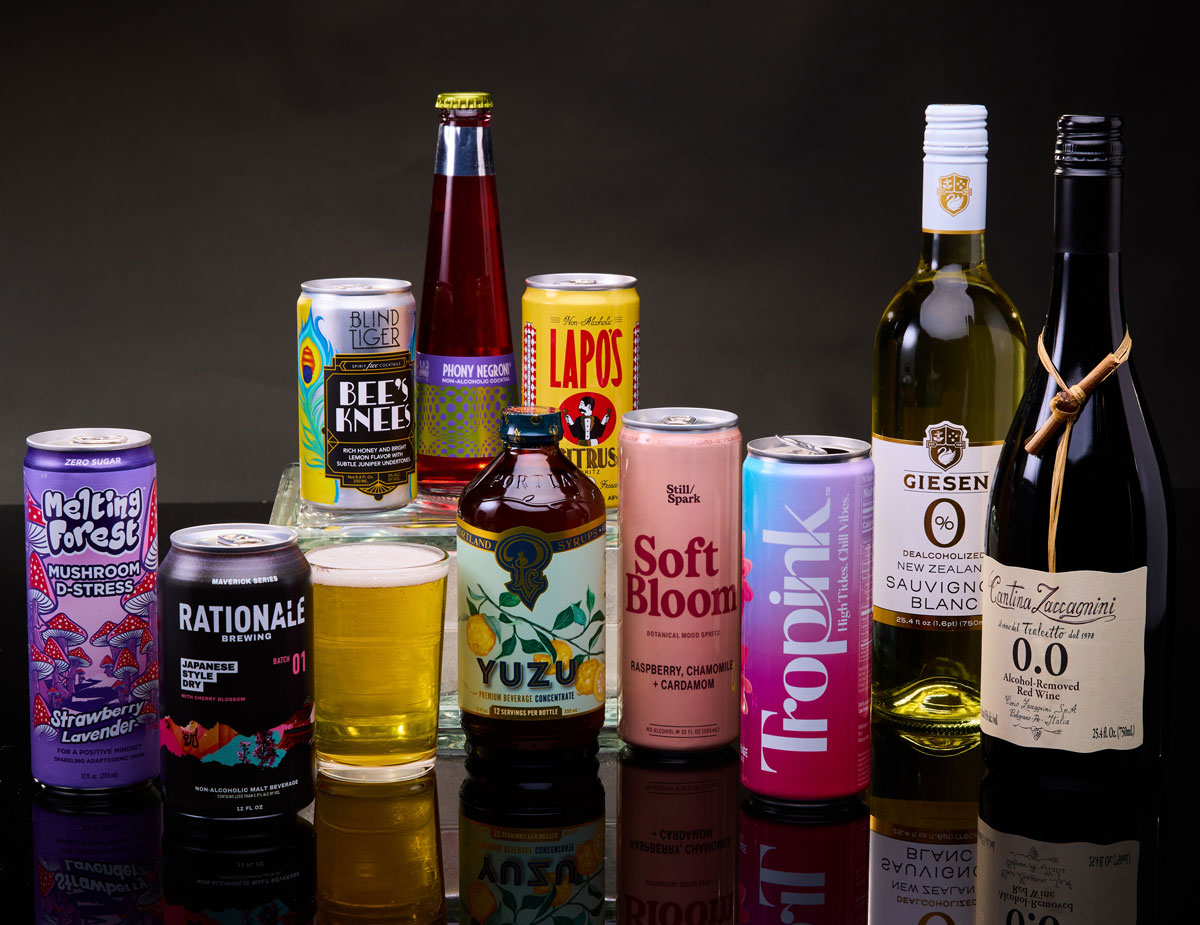
Join the alcohol-free January movement with a wide range of zero-proof drink options at Market of Choice.


