
|
|
The Nutrition Blog
|
Kirsten Gram, a registered dietician, has worked for Cascade Health Solutions’ Center for Healthy Living for over 20 years. She loves sharing her professional wisdom and healthy living tips as part of her blog.
|
Wednesday, 30 June 2010 13:50
by Kirsten Gram
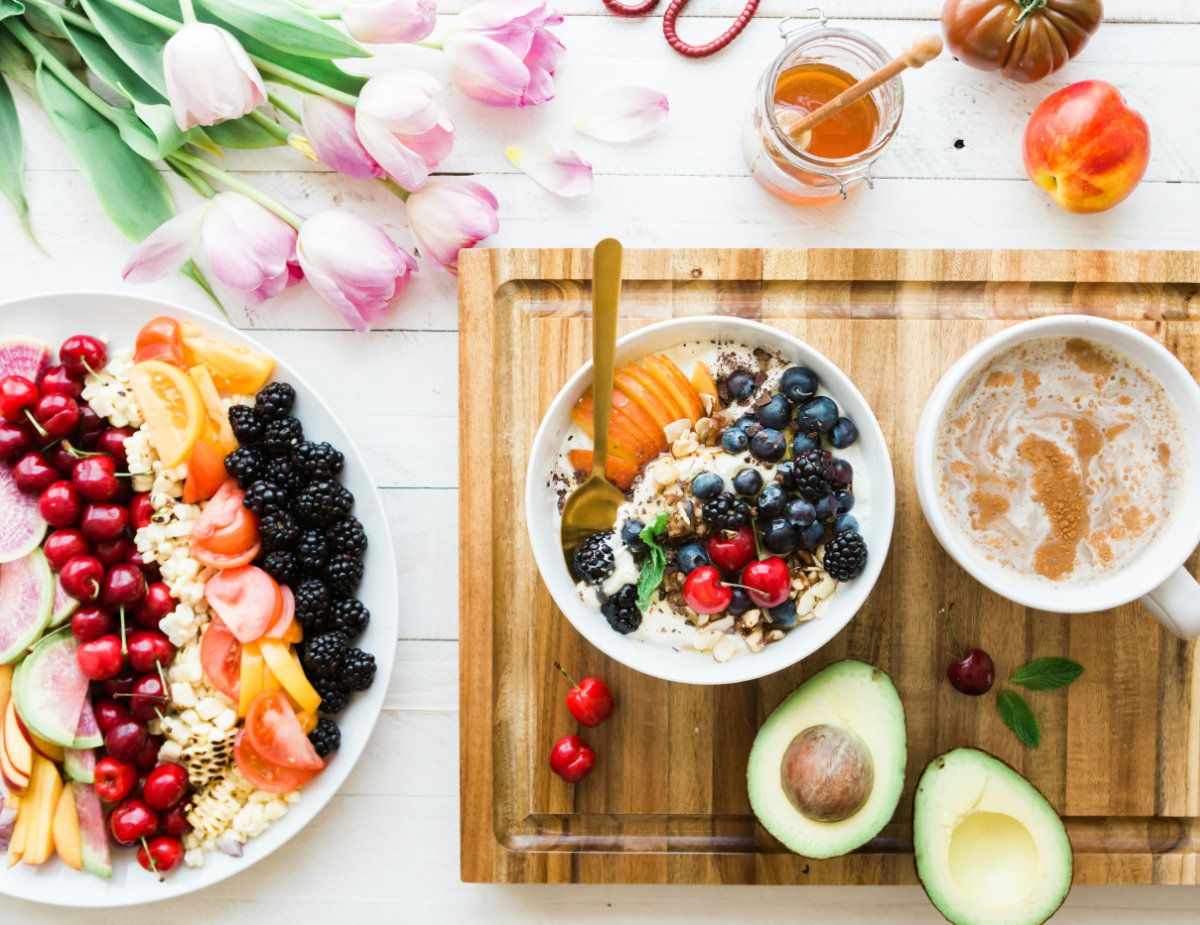
If you have ever had the pleasure of picking berries right from a garden, gathering wild berries in the woods, picking them at a local farm, or buying local berries from Market of Choice, you already know how wonderful fresh berries are this time of year.
Most berries are naturally sweet and require little effort to prepare. Just rinse them under water and serve as a nutritious snack or dessert. There is nothing better than a fresh, local strawberry that is red throughout and juicy and sweet inside. Nutrition facts and health benefits: • Most berries are rich in vitamin C with 80-100 mg per cup, almost as much as a cup of orange juice and only 60 calories! • The pigments that give berries their beautiful blue and red hues are also good for your health. • Berries contain phytochemicals and flavonoids that may help to prevent some forms of cancer. • Cranberries and blueberries contain a substance that may prevent bladder infections. • Blueberries and raspberries contain lutein, which is important for healthy vision. • Eating a diet rich in berries may help to reduce your risk of several types of cancers.
Market of Choice carries a variety of fresh berries this time of year. Look for ripe, colorful and firm berries with no sign of mold or mushy spots. Berries can also be found in the frozen section. Buy them fresh and in season and freeze them yourself for a yummy treat to be enjoyed during cold, winter months. Frozen berries, once thawed, will not be as firm as freshly picked berries, but they are still delicious and good for you!
“Berry” good ways to eat berries: Most berries, such as strawberries, blueberries and raspberries are sweet enough to be served just as they are; but here are some more ideas... • Top a bowl of berries with a dollop of light-whipped topping and a sprinkling of chopped pecans or walnuts. • Add strawberry slices to a bowl of whole grain cereal. • Sprinkle blueberries on a salad or in a bowl of oatmeal. • Stir fresh raspberries into vanilla yogurt or make a yogurt parfait with yogurt, berries and a little Kashi Go Lean Crunch. • Combine frozen berries with bananas and low-fat milk to make a smoothie.
Enjoy!
|
Monday, 03 May 2010 14:16
by Kirsten Gram
A member of the sunflower family, artichokes are one of the few remaining hand-harvested vegetables. Available year-round but especially plentiful in spring and fall, these easy-to-prepare beauties are often enjoyed in the company of others. Fun to eat, the artichoke’s flavor is a unique, nutty one. I liked them when I was a kid, because you got to use your hands to eat them. I later discovered that they’re also very healthy with a medium-sized artichoke having only 25 calories, no fat, and a good source of vitamin C, folate, potassium and fiber. It is usually what we dip our artichoke in adds up in calories and fat. Growing up, it was common for my mom to serve an artichoke with melted butter, hollandaise sauce or a mayonnaise-based dressing. I since have modified my choices and now make a sauce with either reduced-fat mayonnaise and lemon juice, or a combination of non-fat yogurt, reduced-calorie mayonnaise, minced green onions, sometimes adding dill weed or lemon juice. The "vegetable" that we eat is actually the plant's flower bud. If allowed to flower, the blossoms measure up to seven inches in diameter and are a beautiful violet-blue color. The size of the bud depends on where it is located on the plant and the height of the stalk. The largest buds grow at the top. Mediums grow from side shoots. The smallest, or "babies," grow at the juncture of leaf to stem. Choosing an artichoke Pick up an artichoke and feel the weight. You’re searching for those that feel the heaviest and firmest. Now examine the exterior. You’re looking for globes that have a healthy green color, compact center leaves and an overall look of freshness (not dehydrated). Cooking an artichoke Wash artichokes under cold, running water. Cut off stems at base and remove small bottom leaves. Trim off the top by a fourth or a third. Stove top and microwave are the most common means to cook your artichoke, but I have also had them roasted in the oven and even barbecued. Stovetop method: Stand the artichoke(s) upright inside a deep saucepan, large enough to hold it snugly. Add 1teaspoon salt to 2 to 3 inches of boiling water. Lemon juice, herbs, garlic powder or onion powder may be added, if desired. Cover and boil gently 35 to 45 min or until the base can be pierced easily with fork. Add a little more boiling water, if needed. Turn artichokes upside down to drain. To chill, cover and refrigerate. Microwave method: Put a few ounces of seasoned garlic, salt, dill, lemon juice and a few drops of olive oil in a glass bowl. Place artichoke face down in the bowl and cover. Cook for 7 min on high. Leave the cover on, and let stand for 5 min. Eating an artichoke It may look complicated, but the good news is that eating an artichoke is easy! • Start by pulling off one of the outermost petals. Dip the base of the petal into your favorite sauce. Many people prefer melted butter or mayonnaise, but there is no limit to the types of dips or sauces that can be used. • Pull the petal through your slightly clenched teeth to remove the soft, tender flesh at the bottom of the petal. You'll want to have an empty bowl ready in which to drop them. Discard the remainder. • Continue until all petals have been removed. You will have now arrived at one of the greatest culinary rewards: the heart! If the fuzzy choke guarding the heart hasn’t been removed, scoop it out with a spoon and discard. • Cut the remaining artichoke heart into bite-sized pieces, dip and enjoy!
Monday, 08 March 2010 14:34
by Kirsten Gram
With Market of Choice’s Seafood and Wine Celebration happening March 12-26, what better time to discuss the health benefits of fish and other foods high in omega-3 fatty acids? Omega-3 fatty acids are essential fatty acids, which means they are necessary for us to survive. Interestingly, our body can’t make them – you have to acquire them through the foods you eat. Commonly found in fish, some plants and nut oils, omega-3 fatty acids play a crucial role in brain function, as well as normal growth and development. The American Heart Association recommends eating fish (particularly fatty fish, such as mackerel, lake trout, herring, sardines, albacore tuna and salmon) at least twice a week, because recent studies show that omega-3 can reduce the risk of heart disease. Omega-3 fatty acids have also been found to reduce inflammation and may help lower risk of chronic disease, such as heart disease, cancer and arthritis. Omega-3 has also been found to be important for cognitive (brain memory and performance) and behavioral function. Natural sources of omega-3: • Fish: provides two omega 3 fatty acids: Eicosapentaenoic acid (EPA) and docosahexaenoic acid (DHA, found in higher concentration in cold-water fish, such as salmon, mackerel, halibut, sardines, tuna and herring and algae. • Plants: provide primarily the Alpha-linolenic acid (ALA). ALA can be found in flaxseeds, flaxseed oil, canola (rapeseed) oil, soybeans, soybean oil, pumpkin seeds, pumpkin seed oil, walnuts and walnut oil. While ALA is essential, EPA and DHA are more biologically active and it is important to get these fatty acids from our diets because the synthesis of EPA and DHA from ALA is not efficient. What if I don’t eat fish? Both EPA and DHA can be taken in the form of fish oil or for the vegan, algae capsules. Dosing for fish oil supplements should be based on the amount of EPA and DHA, not on the total amount of fish oil. Supplements vary in the amounts and ratios of EPA and DHA. It is best to read the “label facts” to learn how much EPA and DHA you get with each tablet or capsule – they can vary by brand. See your Market of Choice Whole Health employee for information about various omega-3 products, or talk to your health care provider.
Omega-3 fatty acids should be used cautiously by people who bruise easily, have a bleeding disorder or take blood-thinning medications, including warfarin (Coumadin) or clopidogrel (Plavix). High doses of omega-3 fatty acids may increase the risk of bleeding. Because of the potential for side effects and interactions with other
medications, dietary supplements should be taken only under the
supervision of a knowledgeable health care provider. Mercury and PCBs Precautions While most fish is considered good for you, it's important to know that mercury and PCBs, man-made organic chemicals known as chlorinated hydrocarbons, can be found in some fish. To limit your intake: • Eat smaller amounts of different types of fish • Eat smaller fish; they usually have lower chemical levels than larger fish because contaminates tend to build up over time • PCBs tend to concentrate in fat tissue; when cleaning and cooking fish try to remove as much fat as possible Women who are pregnant (or want to be), breastfeeding, and children should: • Avoid shark, swordfish, king mackerel and tilefish due to potentially high mercury levels • Eat up to 12 ounces of fish per week that are considered low in mercury, such as shrimp, canned light tuna, salmon, pollock and catfish • Check local advisories to determine the safety of fish caught by family and friends. If no such advice is available, limit such fish to one 6 oz portion a week and don’t consume any other fish that week. For more information go to www.epa.gov/pcb/
Monday, 01 February 2010 12:02
by Kirsten Gram
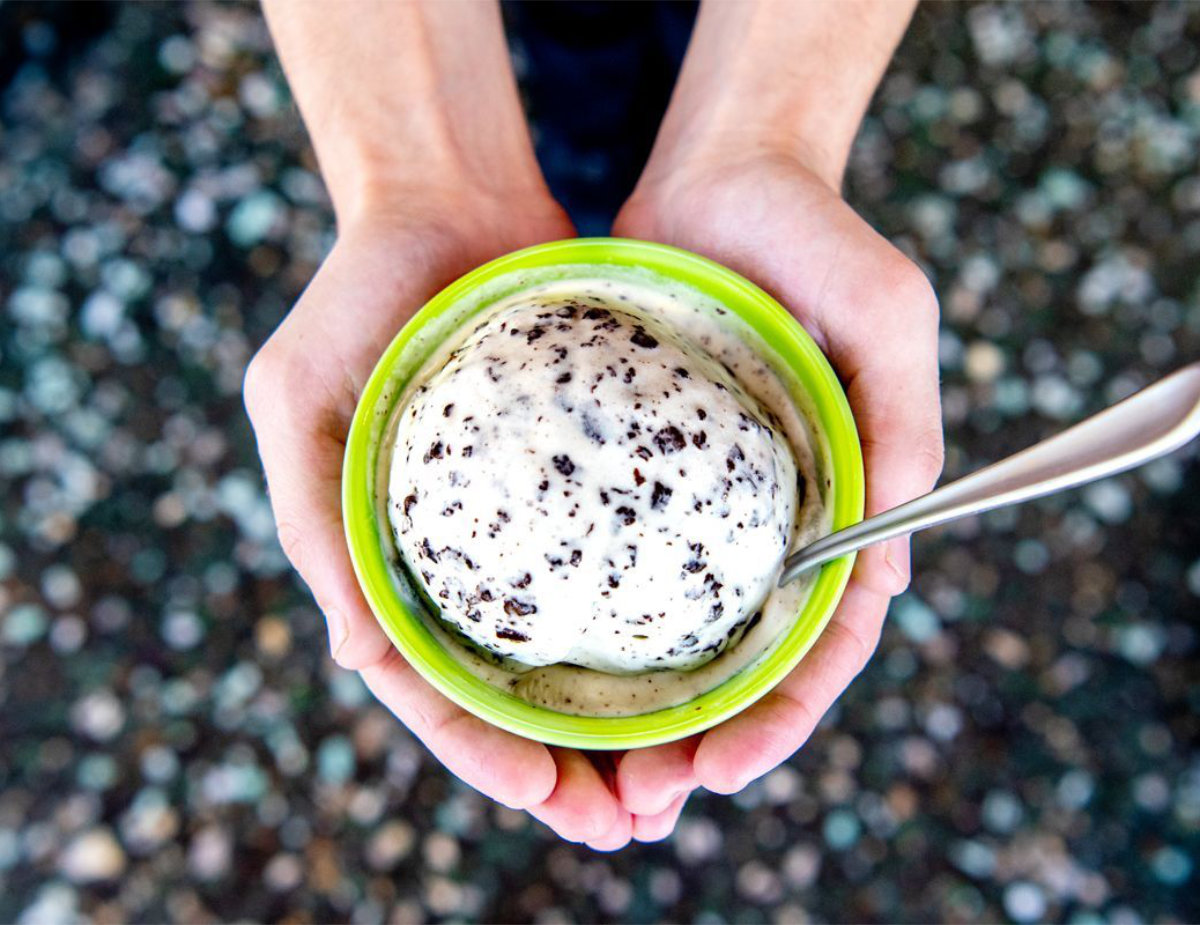
It's more than wishful thinking – it’s true, chocolate can be good for you when eaten in moderation. Clinical studies have taught us that eating chocolate, primarily dark chocolate, can contribute to improved cardiovascular health. Chocolate is packed with natural compounds called antioxidants that scientists believe can reduce the risk of many types of illness, from heart disease to cancer. Antioxidants, like those found in dark chocolate and cocoa, have been linked to some of the hallmarks of good cardiovascular health, such as enhanced blood flow, healthy cholesterol levels and, in some cases, reduced blood pressure. In fact, ounce for ounce, dark chocolate and cocoa have more antioxidants than blueberries, green tea and red wine. Most recent studies highlight dark chocolate's health values because chocolate has the highest percentage of cocoa solids, therefore more flavanol compounds. Two tablespoons of natural cocoa have more antioxidant capacity than four cups of green tea, 1 cup of blueberries or one and half glasses of red wine. I always thought that enjoying chocolate made me feel good, but was never sure why. Was it the taste? Is there something in the chocolate? Chocolate studies continue to reveal much of the mystery as to why some of us love our chocolate. Studies have confirmed that chocolate contains more than 500 natural chemical compounds, some of which have been categorized as mood-elevating and pleasure-inducing. Thankfully, all the research and findings validates our chocolate habit. But it’s important to remember; chocolate is high in fat and calories and needs to be enjoyed in moderation. As far as treats go, chocolate can be a good choice if mixed with a little self-control. Dark chocolate and cocoa provide many health benefits, particularly for your heart. Milk chocolate provides calcium, which is good for your bones. So enjoy — in moderation. Just like everything else in life!
Monday, 18 January 2010 16:05
by Kirsten Gram
New Year's Eve is always a great time to reflect and more importantly, look ahead to the New Year. It’s a time to ponder changes and resolutions and how to see them through in the New Year. Unfortunately, research tells us that although 45 percent of the population makes resolutions and 50 percent are confident that they can succeed, the fact is only 12 percent of us will be successful. While the majority is unable to make New Year’s resolutions happen, studies show that resolutions can still be a tool for change. People who overtly make a resolution are 10 times more likely to attain their goals than people who don’t openly make resolutions. There is also a gender difference to consider. Males who engage in goal setting, a system where small measurable goals are used, (lose a pound a week, instead of saying "lose weight") will achieve their goal 22 percent more often than those that don’t. Females who make their goal public and find support from a peer group will achieve their goal 10 percent more often than if they keep their goals to themselves. Did you make a resolution? How is the resolution going? Before you abandon it, think about revising it to be more realistic. Create measurable goals and tell others what your goals are and seek their support. If you haven’t made a resolution, you don’t need to wait until New Year’s. Resolutions can be made any day, anytime, anywhere. Many who resolve to make changes in their life will need to revisit their resolution on a regular basis and may need to change, modify or adjust it in order to make it obtainable. I revisit my goals the first day of each season, “winter,” “spring,” “summer,” and “fall.” The beginning of a new season reminds me to check in and ask myself a few important questions: Am I achieving my goals? What obstacles lie ahead that could prevent me from reaching and obtaining my goals? If required, I can revamp, revise and plan for success for upcoming months to stay on course. My continuing goal is this: I am committed to routine physical activity. To maintain this goal, I was running my dog until she got arthritic. I realized I needed to make a change in my plan, so I began commuting to work by bike during fair weather and going to a small athletic club on the less-than-fair-weather days. When the athletic club closed, I made a decision to maintain my outdoor riding through fall and winter. This lasted until it got down to the 30s, and I had to come up with a plan to get me through the start of spring. So I made a trip to the used sporting goods store for equipment.
Seeing your resolutions through won’t happen unless you are willing to revisit, revaluate and recommit. If you can do that, I’d say there’s a good chance you’ll be part of that successful 12 percent!
|
|
|
|
|
|
Page 1 of 5 |
|
Nutrition Blog Listing
-
30.06.10
-
03.05.10
-
08.03.10
-
01.02.10
-
18.01.10
|