Home | COFFEE | Coffee Blogs | Franklin
Coffee at Franklin

“Mmmmmm. That smells so good.” Our Franklin Coffee Stewards Bruce Griswold and Louis Rodie hear that a lot. Lead by their noses, customers are drawn to the aroma of coffee beans as they fill the bulk bins with fresh beans. Check out Bruce and Louis’ blog; it’s filled with recommendations that will pique your senses.


Here is a coffee drink that, as legend has it, originated in quality coffee shops in Atlanta, Georgia.

Combine:
• A few ice cubes in a rocks glass
• 5-6 oz. Mexican Coca-Cola
• A double shot of espresso

While I am not a fan of iced coffee drinks, I find this to be quite delightful. I hope some of you readers try it and enjoy it as much as I do!

So, you're the type of person who hates bitter coffee, and you thought that you had finally found the brand, type, and roast of coffee that you like - and consarnit all, it's still bitter sometimes!!! Well, believe it or not maybe the coffee you just bought is too fresh. That's right, too fresh; freshly roasted beans continue to vent carbon dioxide for a good while after they cool off - that's why there are often those little vent hole/release valves on coffee bags.

Many in the coffee business think that for a less bitter cup, it's best to let those roasted coffee beans "age" for a few days before putting them to use. It would be their opinion that less co2 means a less bitter cup of coffee, and I would tend to agree, from my own personal experience.

Food chemists seem to think that there is more to it than that; they are now saying that roasting coffee beans produces several bitter antioxidant compounds inside the beans- compounds that are not present in green coffee beans. So, the lighter the roast, the less bitter the coffee. Plus, it seems to help if the coffee is not fastidiously "farm fresh".

Find out more about prevailing food science theory on bitter coffee from the experts.

What do they say about things like this: If we can send a man to the moon...

Equal Exchange Organic French roast will be on sale from Feb. 27-March 12. This coffee makes a nice, dark, smooth, full-bodied cup of coffee.

Speaking of French roast, it is debatable as to where the name for that degree of roasting originated. What is more certain is that French roast is usually the second, or third darkest roast available pretty much industry wide. It is also about the same degree of roasting that beans for espresso receive. (There is no special bean for espresso; it is the roast, and especially the grind that makes the coffee suitable for that purpose.) 

Always keep in mind: the darker the roast, the less acidic and more bitter the coffee. Also know this: the darker the roast, the less amount of caffeine.

So if you think you are going to blast off from knocking down that double espresso, you better think again because the caffeine content of that cup is just not in proportion to the strong, concentrated flavors of that type of presentation. It does have caffeine, but if a real boost is what you need, you’re better off downing a cup of strong medium-roast coffee. Or better yet, a cup of instant coffee, which often contains the highest amount of caffeine.

Here is a list of the common coffee roasts from lightest to darkest from coffeeteaabout.com: cinnamon, New England, light American, medium (or mid) city, full city, French/espresso, Italian/dark French and Spanish.

Our coffee special, which runs Jan. 16-29, features Cafe Bonito's Breakfast Blend. Although I don't know their secret blend of beans, I do know that most breakfast blends are made from Central and South American beans, because coffee beans from that part of the world are right in the middle of the spectrum when it comes to the coffee qualities: aroma, body, and snap. Snap is the coffee business word for acidity. Coffee with no snap is very bland.

Beyond the region of origin, that is where the similarities between the breakfast blends diminish. A talented and creative coffee roaster can go in so many directions: proportions of the constituents of the blend, the roasting temperature of each constituent, the grade of each bean, the equipment available, etc.

The Bonito blend is a very good one, so obviously they have made some good choices.

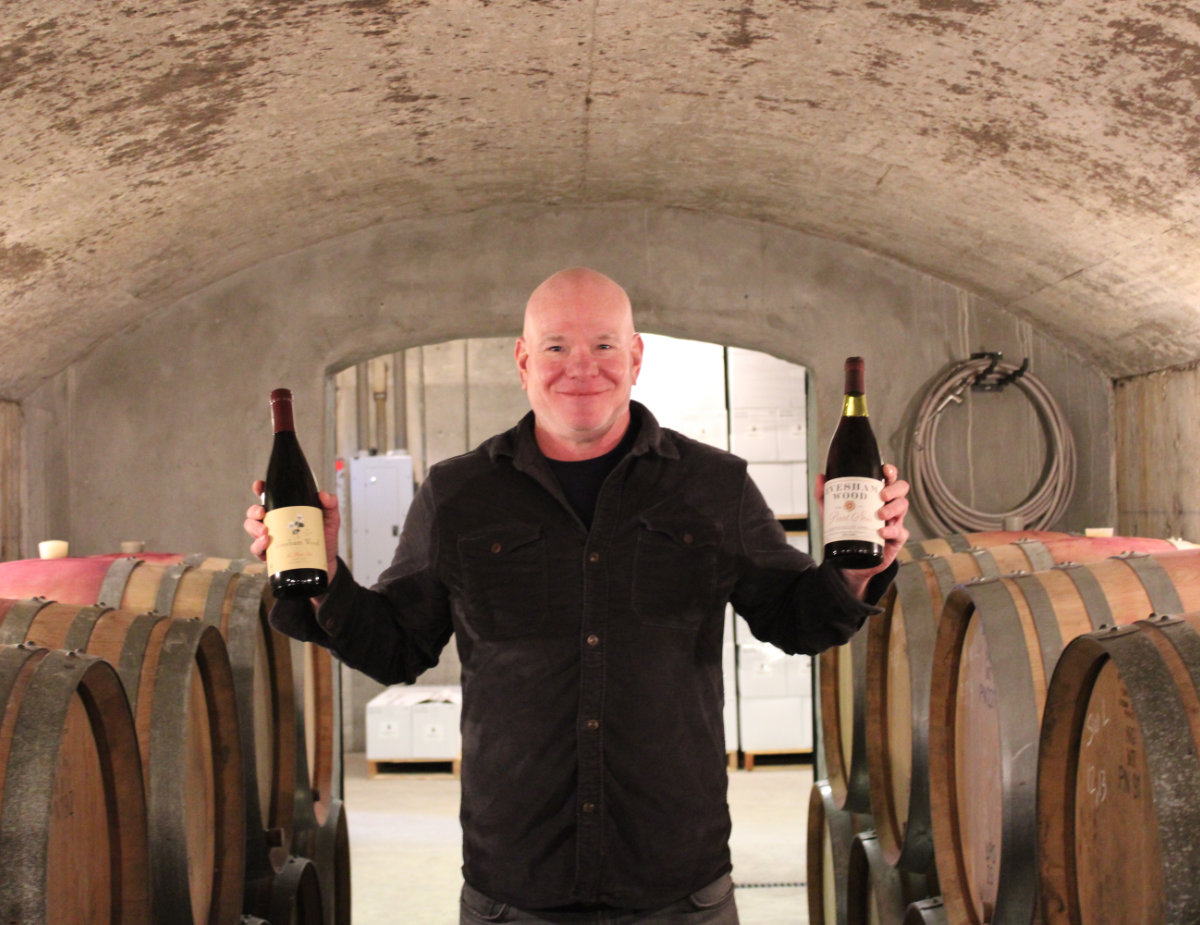
Greetings! It has been a pleasure to see all of you who’ve frequented the Franklin Blvd. Market of Choice over the past year. And it will be my pleasure to serve you in the future by helping with all your wine, beer, and coffee needs.

Coffee doesn't generate nearly as much journalism as wine or beer. And in some measure that is unjustified, because the world of coffee is certainly filled with a lot of depth and complexity.

The main factor I’ve come to consider when choosing a coffee is the roasting temperature. The aroma and degrees of bitterness and acidity will be influenced most by the roasting temperature, rather than by its' place of origin. The darker roasts are bitter and less acidic. While the lighter roasts are more acidic and less bitter. Aroma is most pronounced in the medium roasts.

Coffees are as unique and distinctive as the places from where they originate. Those differences are most obvious in the light to medium roasts. Did you know? Very dark roasting can be used to "even out" the differences in a blend of beans and can even be used to mask the qualities of inferior beans.

All roasts have a time and place depending, of course, on personal taste. As with wine, pairing coffee with food, as well as the occasion should be taken into consideration.

There are a good number of fine coffee roasters, here, in this part of Oregon. And it's great to have so many to choose from. Customer preferences seem, for the most part, to be evenly distributed among them with the strongest loyalty to – and highest demand for – the Eugene area brands.

Be sure to stop by and tell me which ones you prefer.


Coffee Blog Menu


cincodemayosidebar
recipecontest

Franklin Coffee Blog Listing

awards